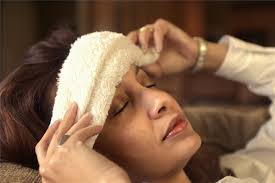
REASONS FOR NIGHTSWEATS
There are many reasons for night sweats to include pregnancy, certain medications, thyroid conditions, diabetes, obesity, chemotherapy, sleep apnea and anxiety; however, the most common reason for women over the age of forty seems to be the onset of menopause. During menopause women experience hormonal changes which can cause hot flashes and night sweats.
Men can also experience night sweats due to hormonal changes called Andropuase. The good news is that certain lifestyle changes can reduce the severity of night sweats regardless of the reason.
NIGHT SWEATS AND MENOPAUSE RESOURCES:
Order your complimentary Menopause Survival Kit by visting Menopause RX
For more information about Night Sweats and Temperature Regulation Issues, visit INTERNATIONAL HYPERHIDROSIS SOCIETY
Macafem Supplements - Providing women health, natural hormones, Health alternatives; much more".
Vist our COOL-JAMS BLOG for lots of excellent articles on menopause, night sweats and other health issues for men and women.
FOR ADDITIONAL INFO ABOUT NIGHT SWEATS, MENOPAUSE AND OTHER RELATED ISSUES, PLEASE REVIEW THE ARTICLES BELOW.
WHAT ARE THE CAUSES OF NIGHT SWEATS IN MEN AND WOMEN?
There are many reasons for the occurrence of night sweats. Below we discuss ten of the most common reasons for this pesky problem. For whatever reason you, family members or friends suffer from night sweats, moisture wicking pajamas offer a natural solution to the problem.
Menopause starts as the ovaries fail to produce an egg every month. This in turn interrupts the regular pattern of the hormone cycles, and gradually leads to the somewhat chaotic and long-drawn out shutting down of the reproductive system. With this shut down, the hormones begin to fluctuate dramatically resulting in all kinds of menopausal symptoms which include insomnia, night sweats and hot flashes to name a few.
ANDROPAUSE
So you thought that women were the only ones to be effected by age related hormonal changes? Low levels of testosterone in men has been reported to cause a male form of menopause called Andropause. Some of the symptoms include loss of libido and potency, nervousness, depression, impaired memory, the inability to concentrate, fatigue, insomnia, hot flashes, and night sweats. Many men suffering from Andropause have found relief with some of the following therapies:
*Testosterone replacement therapy
*Exercise, dietary changes
*Stress reduction through meditation and yoga
*Spiritual support
*Treatment for depression
Night sweats can occur during pregnancy due to hormonal changes. Normally, the hypothalamus (heat regulatory area in the brain) regulates the body heat. If it’s hot outside, it makes the body release heat. And if cold outside, it keeps the heat in the body. However, night sweats during pregnancy are produced because the hypothalamus (the heat regulator) starts overproducing heat.
The declining level of estrogen hormones, associated with pregnancy, are responsible for the malfunction of the hypothalamus (heat regulatory area), which detects an increased body temperature and releases chemicals that cause the skin blood vessels to dilate so the heat can be released; therefore, starting the Night sweats during pregnancy. This process could be accompanied by cold shivering as well. This condition is not serious, just a bit of a nuisance for the pregnant women.
There are many medications that can cause night sweats.Below is a list of the most common mediations with this side effect:
*Antidepressant and other psychiatric drugs can lead to night sweats. *Medicines taken to lower fever such as aspirin and acetaminophen can sometimes lead to sweating.
*niacin (taken in the higher doses used for lipid disorders). *tamoxifen
*hydralazine
*nitroglycerine
*Viagra
*Steroids such as prednisone and prednisolone, may also be associated with hot flash or night sweats.
Hyperthyroidism is a condition in which an overactivethyroid gland produces excessive amounts of thyroid hormones that circulate in the blood.Thyroid hormones regulate
* Night Sweats and excessive sweating
* Heat intolerance
* Increased bowel movements
* Tremor (usually fine shaking)
* Nervousness; agitation
* Rapid heart rate
* Weight loss
* Fatigue
* Decreased concentration
* Irregular and scant menstrual flow
If these symptoms are present, it is important to see you physician for further testing and treatment.
Many of the classic signs of low blood sugar—including shakiness, light-headedness, dizziness, confusion, rapid heartbeat, irritability, and extreme hunger—can occur during the day or at night. Nighttime hypoglycemia(low blood sugar) has also been known to cause night sweats, headache, restless sleep, and nightmares.
Excess body fat can increase the occurrence of night sweats and hot flashes because the body has a more difficult time with it's natural heat thermal regulation. See the article. See the following link for an article on this subject.
Chemotherapy, a common treatment for cancer can leach the the body of estrogen, which brings on menopause in many women. One of the biggest complaints from women going through cancer treatments are the difficult night sweats that they must endure.
Sleep apnea is a sleep disorder characterized by pauses in breathing during sleep. These episodes each last long enough so one or more breaths are missed, and occur repeatedly throughout sleep. Sleep apnea is diagnosed with an overnight sleep test called a polysomnogram. Symptoms include, excessive daytime sleepiness, partner reports loud snoring, gasping during sleep and possible night sweats
Stress and anxiety can cause night sweats, resulting in interrupted sleep. The less one sleeps, the worse the anxiety becomes. By working on stress reduction through exercise, meditation and yoga, many people find relief from this sleep issue.[top]
DR. ROBERTA WATTLEWORTH, chairwoman of the family practice department at Des Moines University, writes a monthly column for Health.
Even though it is a normal part of life, menopause is a strange and daunting event for women. It is often misunderstood, feared or ignored. It is hoped the following information will help you understand what it is and how to deal with it.
What is menopause?Every woman is born with a set number of eggs in her ovaries. These eggs remain immature and inactive until puberty. At this point, the pituitary gland stimulates the ovaries to cause some eggs to mature and be released from the ovaries. The egg(s) travel down the fallopian tubes, through the uterus, and out the vagina if fertilization does not take place. During this trip, the hormones estrogen and progesterone are produced in varying quantities by the ovaries. If the egg is not fertilized, the progesterone level drops off, which triggers the lining of the uterus to shed. This is called menstruation, or more commonly referred to as having a period.
The number of eggs in the ovaries diminishes with age, contributing to some fertility problems in women over 40. As the ovaries age, less estrogen may be produced, which can cause periods to become more irregular as menopause approaches.
By definition, menopause occurs when a woman has not had a period for 12 consecutive months, except when the lack of periods is caused by pregnancy followed by breast-feeding, or a medical disorder such as anorexia nervosa. Most women experience menopause between the ages of 45 to 55, with the average age being 51. Many women go through this phase at approximately the same age their mothers did.
About 1 percent of women stop having periods before age 40; this is called premature ovarian failure. The cause is unknown, but it appears to be genetically linked. It also has been associated with autoimmune disorders such as thyroiditis or rheumatoid arthritis.
The approach and beginning of menopause is called perimenopause or the climacteric. Even though the ovaries are less active, and periods more irregular, egg production still takes place. Women who rely on natural family planning or nonhormonal forms of contraception need to be aware that pregnancy still can take place during the perimenopausal time. Once complete, a woman is considered "postmenopausal." The process is different for each woman. Some stop having periods very abruptly, while some have irregular periods for several years.These periods may consist of light spotting or near hemorrhage conditions at irregular intervals anywhere from two weeks to several months apart.
SymptomsOne reason many women dread menopause is that 70 percent of women experience at least some of the more than 30 common symptoms associated with it. The following are some of the most frequently occurring symptoms:
Menopause is a natural process women must go through. A woman who has her uterus surgically removed will stop having periods, but the ovaries still will produce hormones. In her late 40s or early 50s, she still will experience typical menopause symptoms.
A woman who has both her uterus and ovaries surgically removed will undergo a "surgical menopause" and may experience symptoms such as hot flashes, vaginal dryness, thinning of hair and mood fluctuations - at times quite severe because of the abrupt hormone change.
The following are a few methods for treating the symptoms:As a woman enters perimenopause she begins to experience a variety of symptoms. She might have hot flashes or night sweats, feel irritable, anxious or have headaches. Other symptoms include low libido, depression and dry skin. Whatever the symptoms are, it usually has to do with fluctuations in a woman’s hormone levels which cause all sorts of problems during the menopausal years. Some women seem to breeze through menopause with a few mild problems, while others are so debilitated with major symptoms, they have difficulty maneuvering through life. For many women, symptoms like night sweats and hot flashes can last well into their sixties.
Recently there's been much research done on foods that help to ease menopausal symptoms. Certain foods and lifestyle changes hold promise as natural remedies for combating the problems associated with menopause. By eating the right foods and increasing exercise, science has shown that women can keep their bodies healthy and their minds happy well into their golden years.
Let’s examine some of these diet and lifestyle changes to understand what might help.
The mineral boron is an especially helpful element found in many of fruits and vegetables. Boron seems to increase the body's ability to hold onto estrogen. It also helps keep our bones strong by decreasing the amount of calcium we excrete each day. The following foods contain both Boron and phytoestrogens. Try to include at least two of these foods in each meal. It’s easy to add fruit to your cereal and a glass of juice to your breakfast. Have a big salad at lunch with all kinds of vegetables. Add a serving of baked sweet potato and steamed vegetables to your dinner. With these simple changes you are adding 6 servings per day of phytoestrogens. Below are some of the fruits and vegetables high in Boron and Phytoestrogens.
FRUITS: Plums , strawberries, raspberries, apples, pears, red grapes, grapefruit, peach, bananas, dates, prunes, raisins, avocado and oranges.
VEGETABLES: Beets, bell peppers, broccoli, cabbage, cauliflower, carrots, cucumbers, lettuce, soybeans, sweet potatoes, white potatoes Turnips, asparagus, tomatoes, garbanzo beans
NUTS AND GRAINS: brazil nuts, walnuts, almonds, cashews, peanuts, hazel nuts, wheat and wheat bran
It is hard to give up the sweets completely, so if you can’t resist stick to a small square of really good dark antioxidant filled chocolate when you have the craving. Otherwise, try to replace your sweet cravings with dried fruit, a handful of nuts, or a piece of fresh fruit which all have nutritional value to give the body the energy that it needs to function.
About 10 million people currently suffer from osteoporosis… 80% are women. Another 34 million have low bone mass, which can lead to the disease. Among women age 50 and older, 20 percent of Caucasian and Asian descent have osteoporosis. Only about 5 percent of black women and 10 percent of Hispanic women are affected. The disease seems to effect small boned women most often.
Other risk factors include:
A recent study from the Annals of Behavioral Medicine found that women who walked three times a week... working up to one hour of walking at moderate to high intensity or who praticed yoga for 90 minutes twice a week had fewer hot flashes than those who did not exercise. On days you don't exercise, controlled breathing, the kind of breathing taught in yoga classes might also help. Inhale through your nose for a count of three, then exhale through your mouth for a count of five.